
Blog
Understanding residential care.
PROHACC articles about residential care, children's rights and ways to help, always with official sources.

How it works
What residential care for children is and how it protects a child
Learn when a child goes to a care home, what the law guarantees them and why this care should always be temporary.
Read article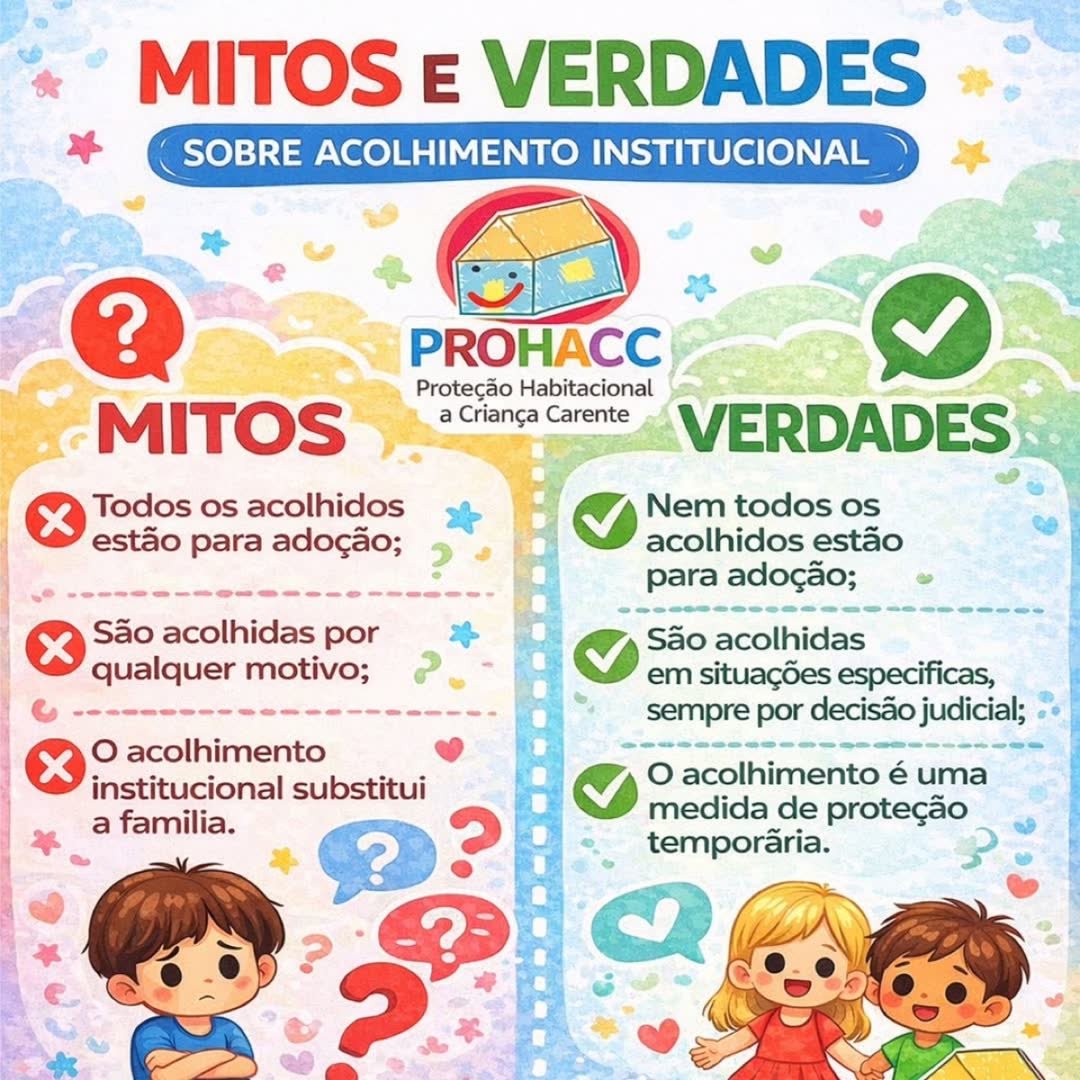
Social media
Why you do not see the children's faces in our photos
Campaigns, donations and the home instead of faces: we explain our choice, what the law says and how you can help us protect the children.
Read article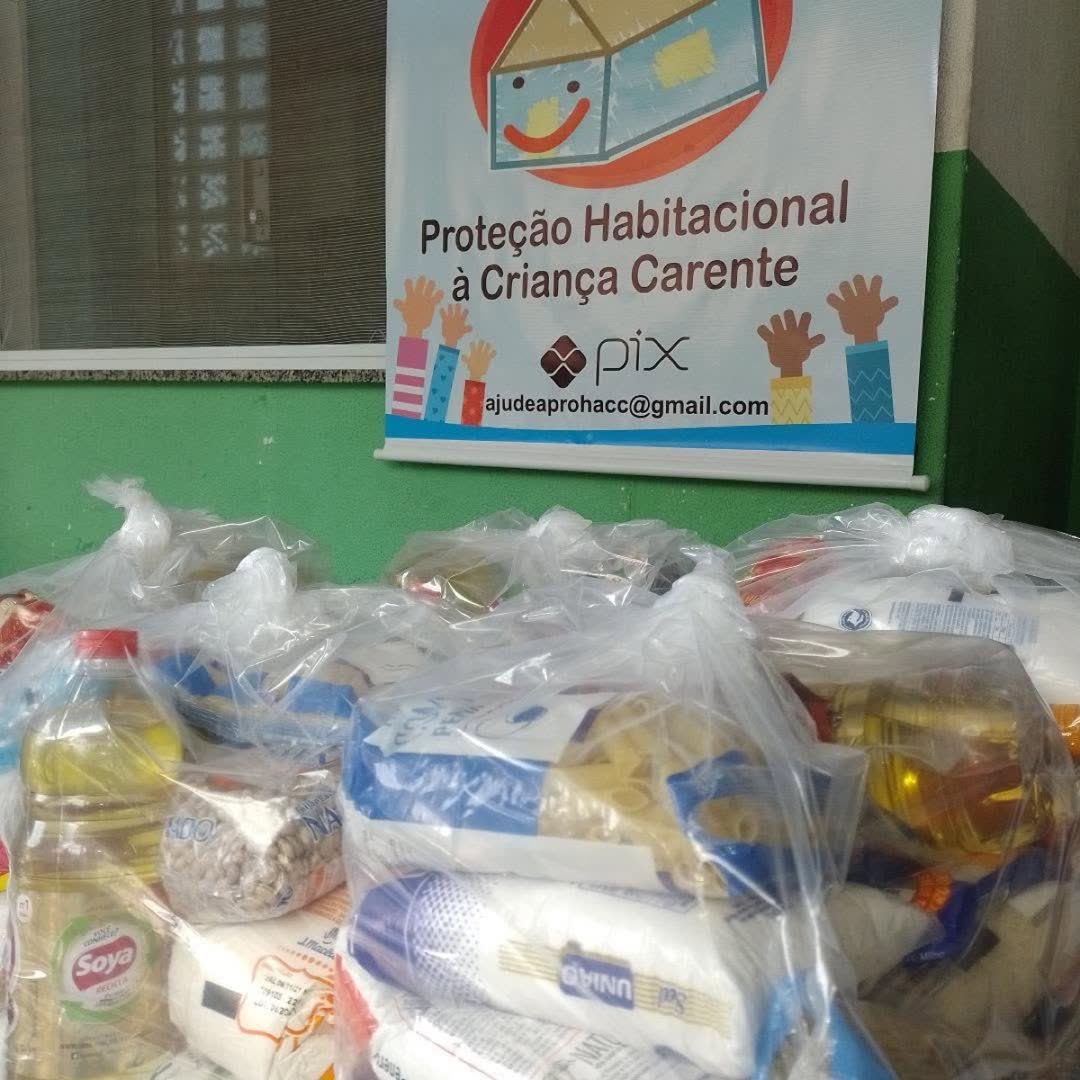
Campaigns
How your donation becomes everyday care at the home
With no government agreement, every donation keeps PROHACC's daily routine going. We show you where your support goes, from breakfast to bedtime.
Read article
Community life
Affective sponsorship: what it is and how it works in São Paulo
Becoming a godparent to a child in care is a long-term commitment, with screening and training. We explain each step and the other ways you can sponsor.
Read article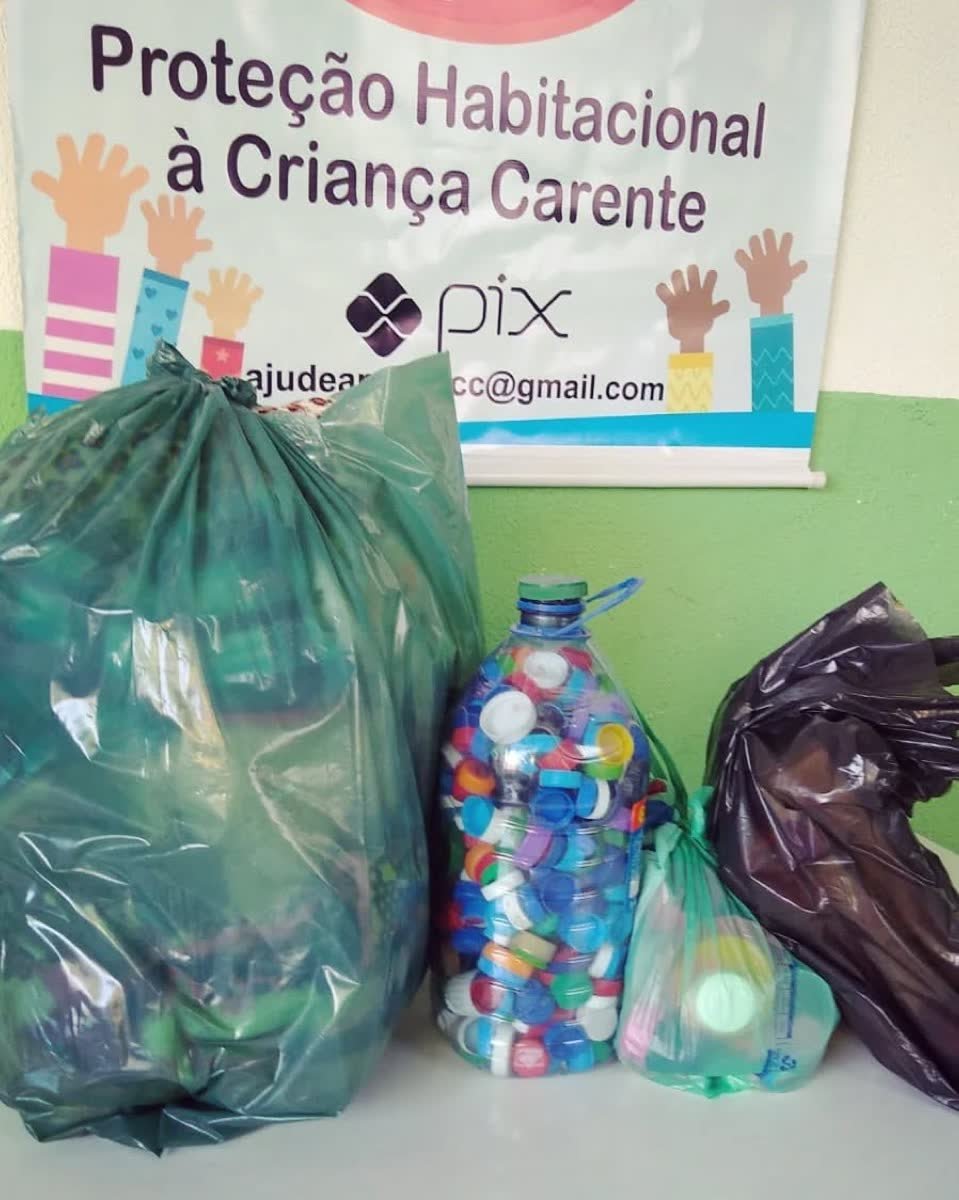
How to help
5 ways to help a care home beyond money
Time, talent, connections and good item donations also keep a home going. Here is how to help PROHACC in a way that is good for the children.
Read article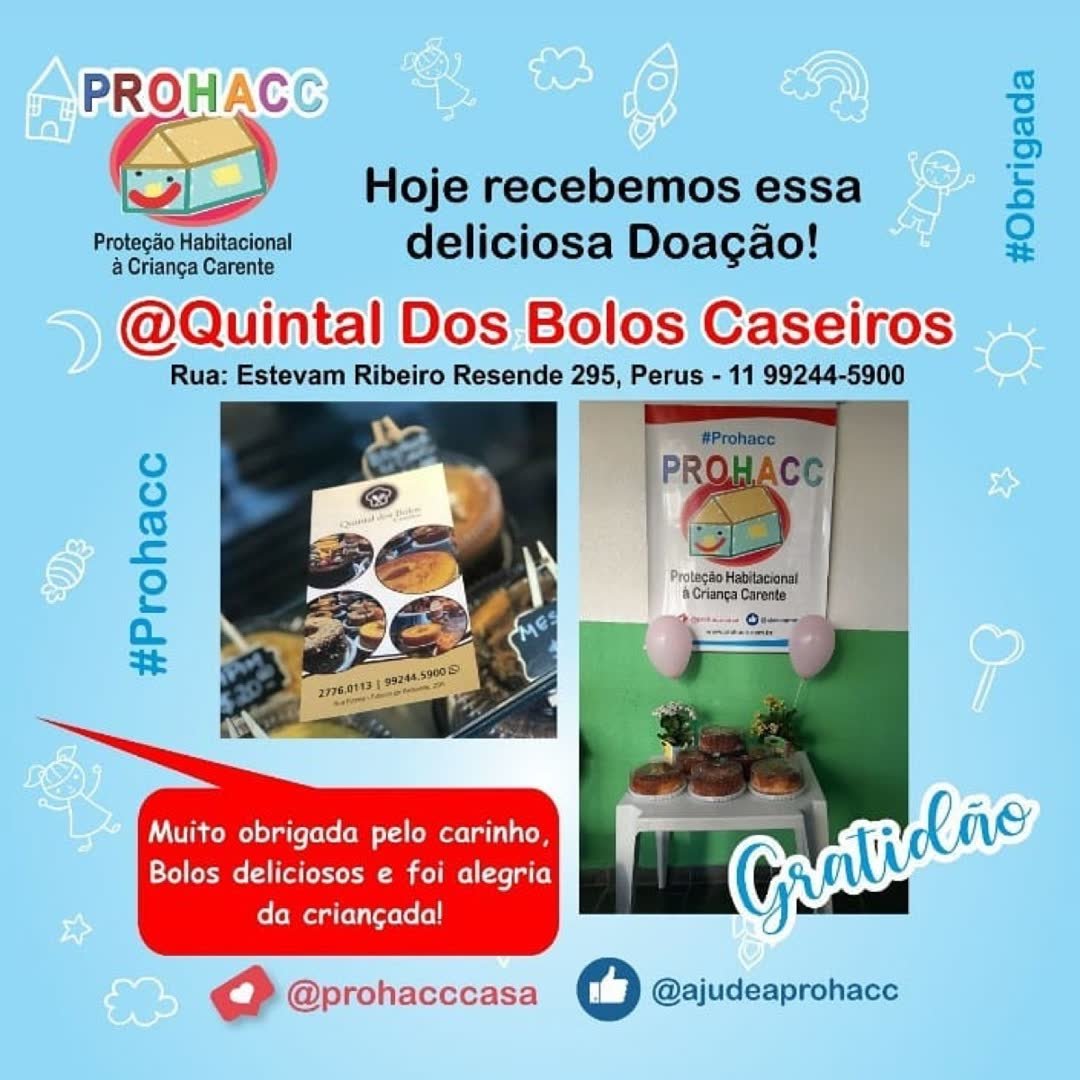
Companies
How to direct part of your income tax to children
You can send up to 6% of the tax you owe to funds that finance projects for children and teenagers, without paying anything extra. Here is how it works in São Paulo.
Read article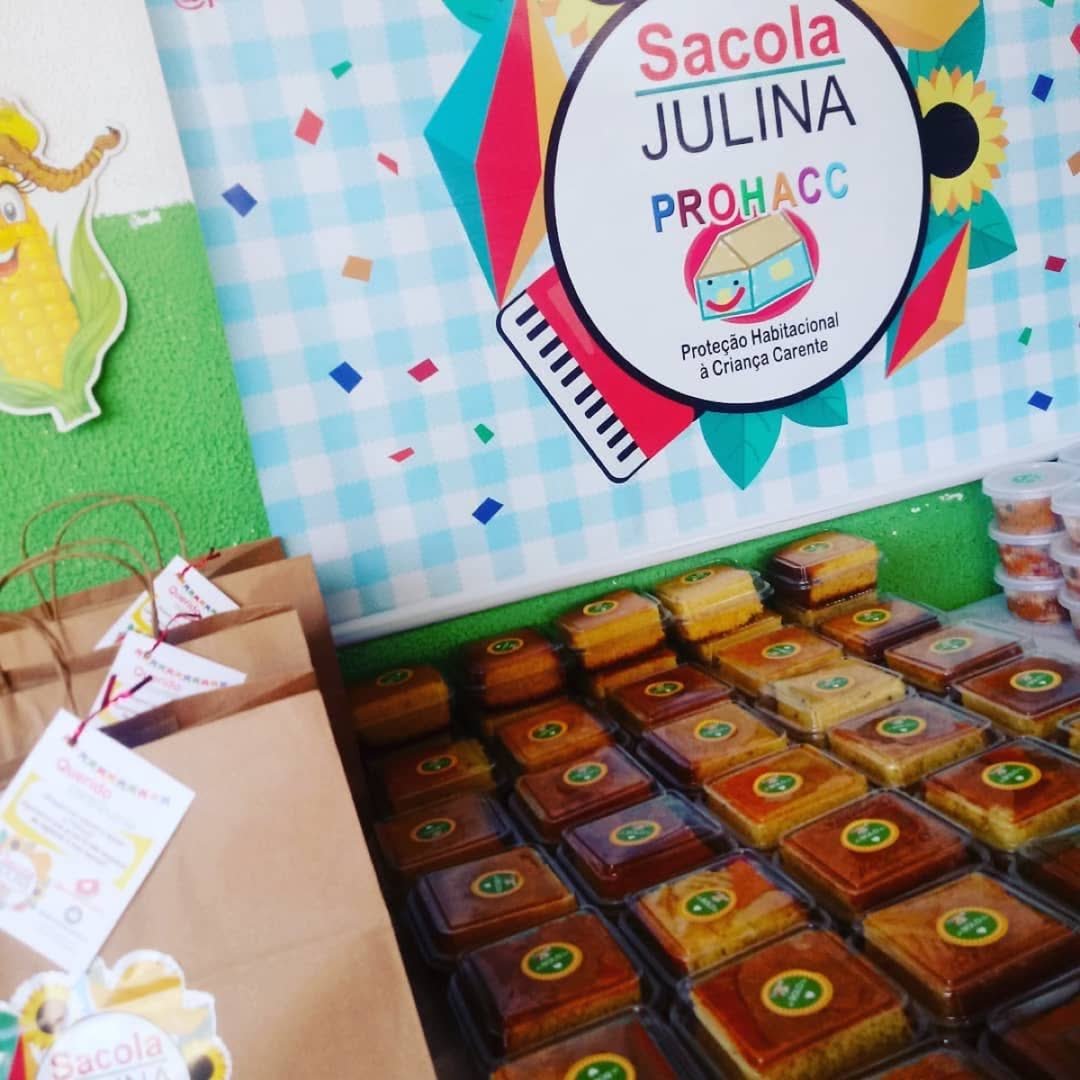
Why help
Why helping one child changes a whole community
Caring well for a child today has effects that reach the school, the neighborhood and the next generation. See what studies show and where your help comes in.
Read article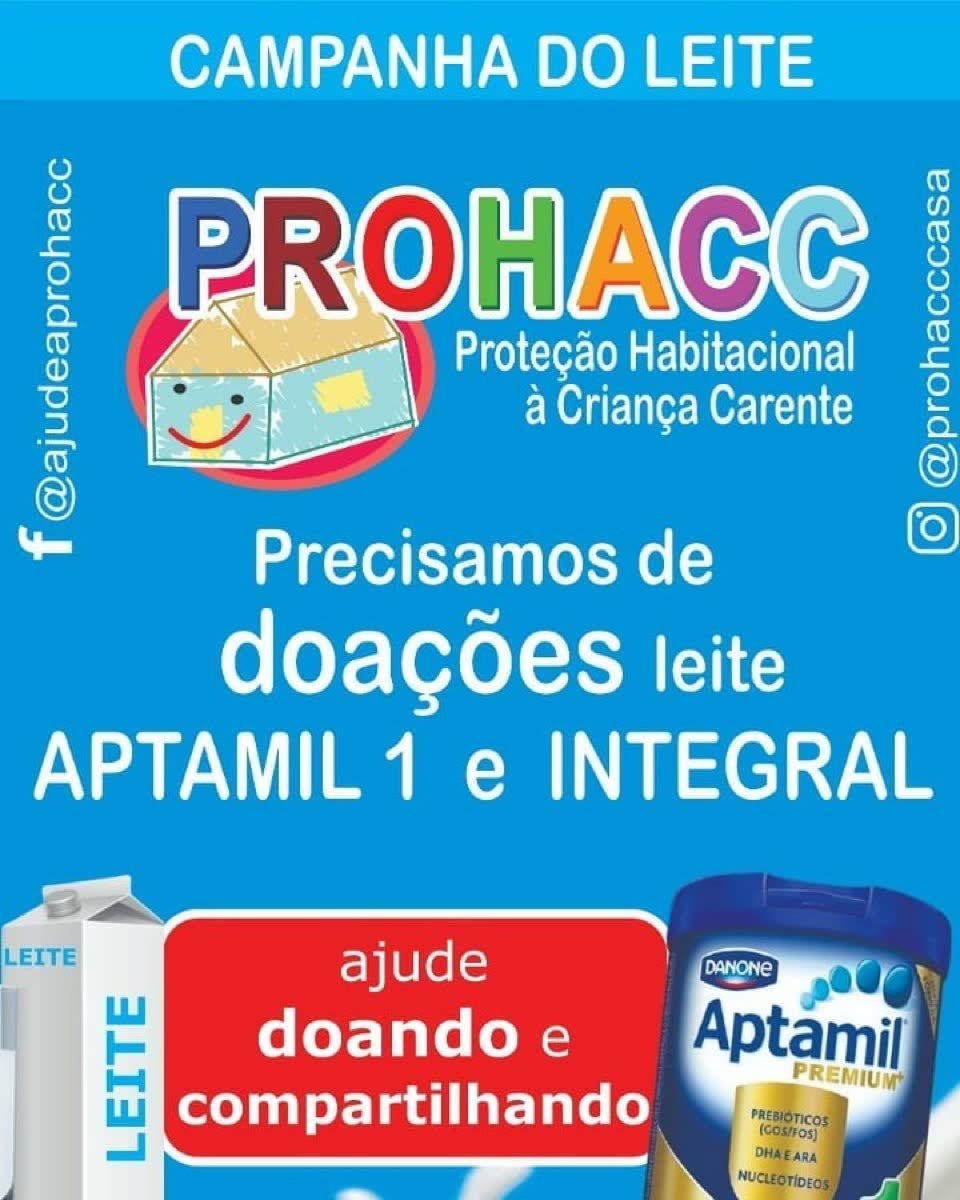
Social impact
The power of small donations: why every amount counts
Many people don't give because they think the amount is too small. The numbers show the opposite: it is small donations, added together, that sustain causes in Brazil.
Read article
How to help
Volunteering: how helping also transforms those who help
More than half of Brazilians have volunteered, and almost all say the experience made them better people. Understand why and how to start the right way.
Read article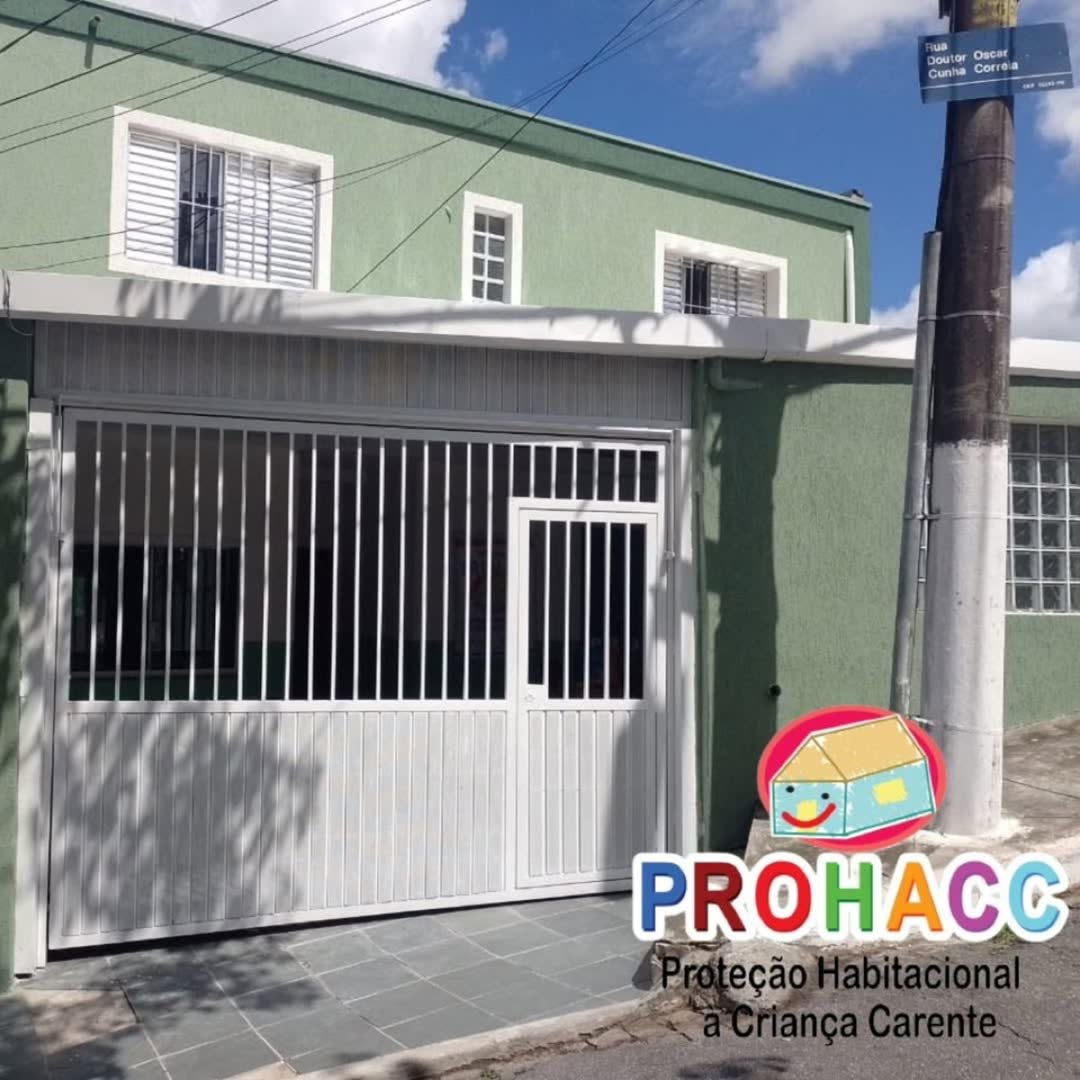
Partnerships
Companies that make a difference: how social investment reaches children
Corporate social investment has grown in Brazil and is increasingly valued by the public. See how a company of any size can support a children's shelter.
Read article
Leaving care
After 18: what happens when young people leave care
On reaching adulthood, young people must leave the shelter, often with no family to return to. Understand this moment and why society's support is decisive.
Read article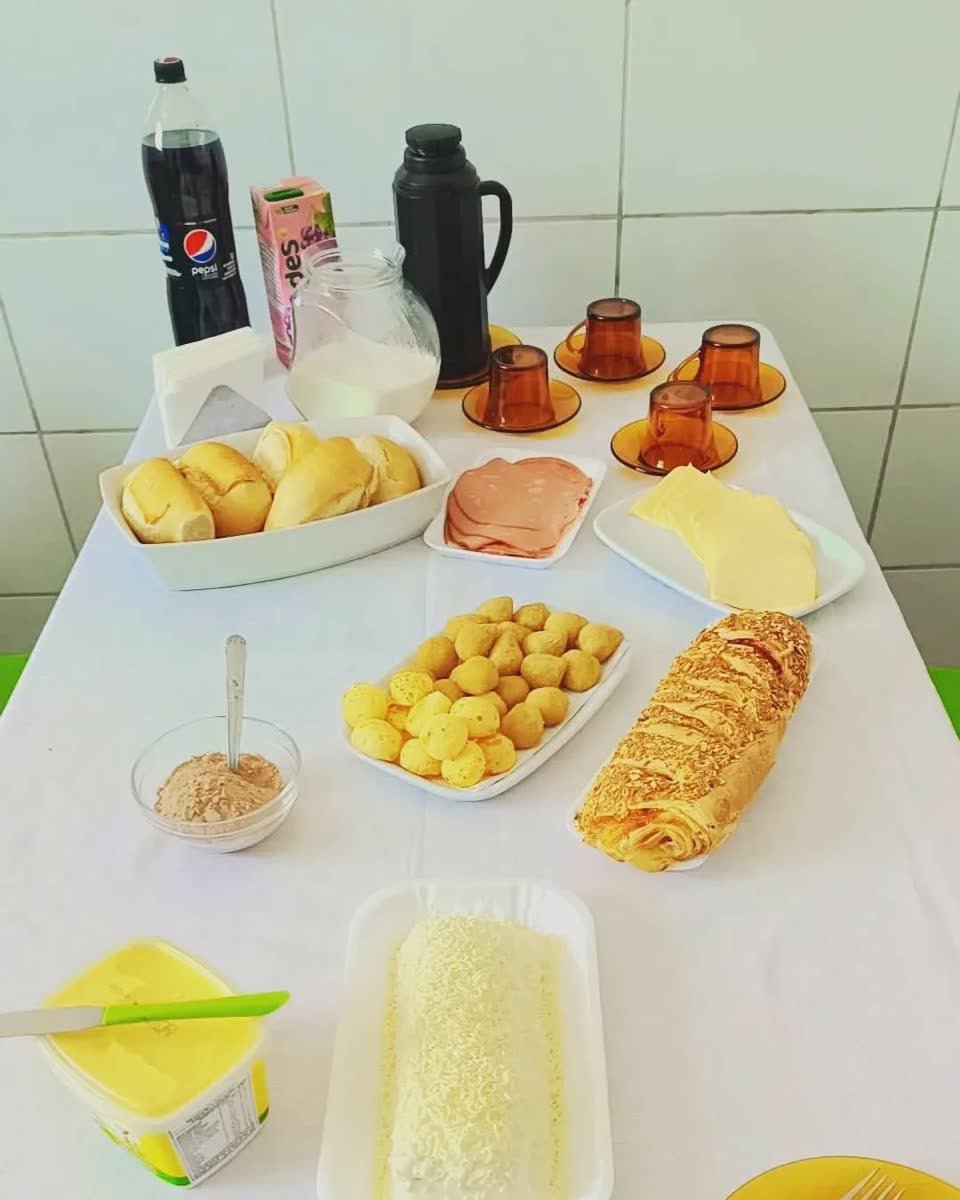
Citizenship
Giving culture in Brazil: where we stand and how to move forward
Brazilians show solidarity in tragedies, but still give little in everyday life. See what rankings and surveys say and how each person can help change this picture.
Read articlePerus
The strength of community: no one cares for a child alone
Neighbors, schools, local shops, churches and volunteers form the network that sustains a children's shelter. Learn why the law counts on the community and how you are part of it.
Read article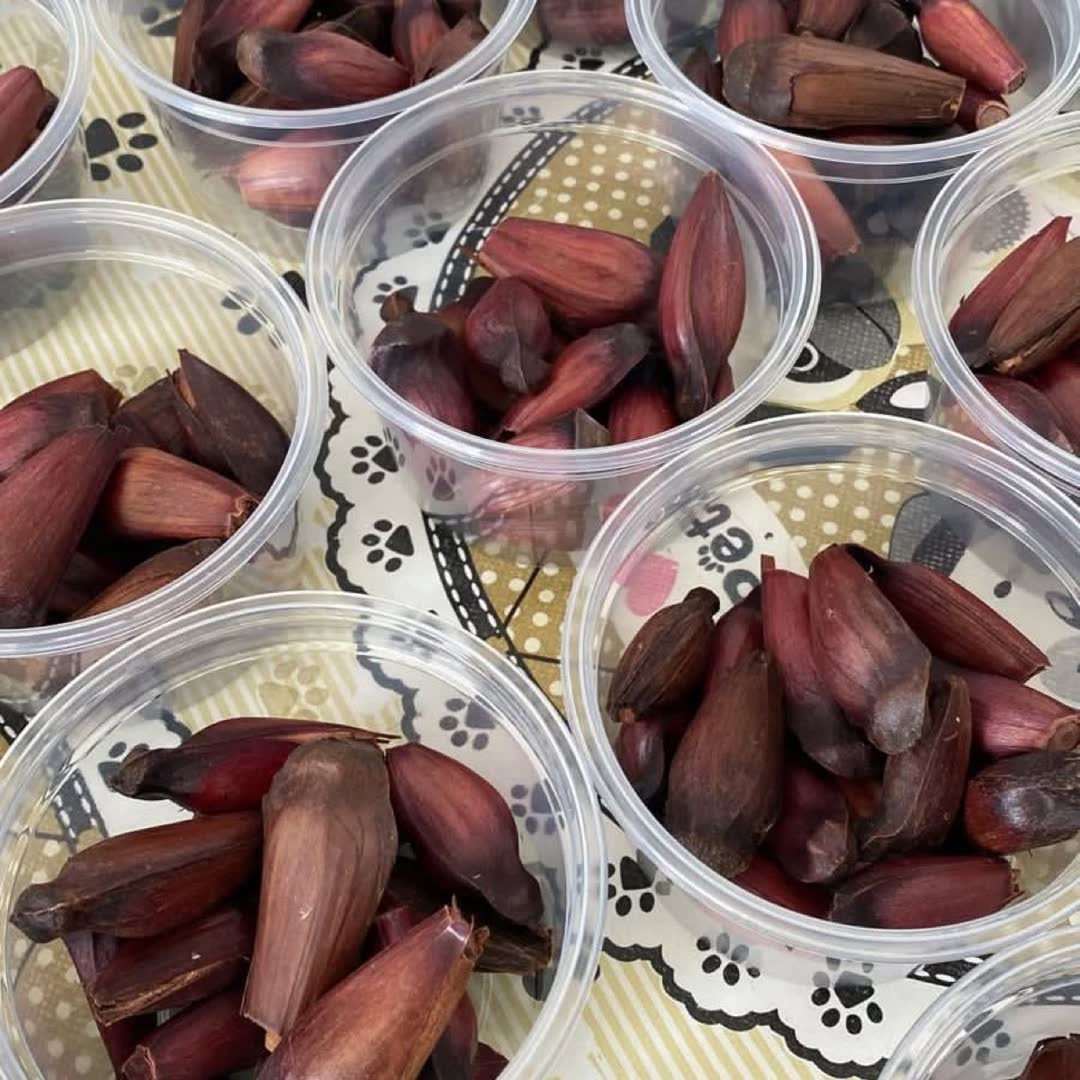
Transparency
Recurring donations: why monthly support makes it possible to plan care
A shelter's bills arrive every month, rain or shine. Understand why a monthly donation, even a small one, brings stability to the children and the staff.
Read article
November 20
The UN and children's rights: what the world agreed on and why it matters in Perus
From the 1989 Convention on the Rights of the Child to the 2009 guidelines on alternative care, see how agreements made at the United Nations helped change the way childhood is protected in Brazil.
Read articleSector news
What is happening in the world of childhood and solidarity.
Headlines from leading organizations in the nonprofit sector and in children's rights. The list updates itself, and each story opens at the original source.
Loading news…
Sources: Observatório do Terceiro Setor, GIFE, Lunetas, Childhood Brasil, ANDI and Agência Brasil. The texts belong to each outlet.